CiNEMERCATOR - Pier Paolo Pasolini THEOREM 1968
Filmlover,
4 cinephiles:
Merthe Voorhoeve, Andreas van Riet,
Maaike Hasselaar & Elisabeth van Vliet,
each are programming 1 precious film per month. That's 4 precious films per month!
CiNEMERCATOR
doors open 19:30
start 20:00
ticket 3€
11-2
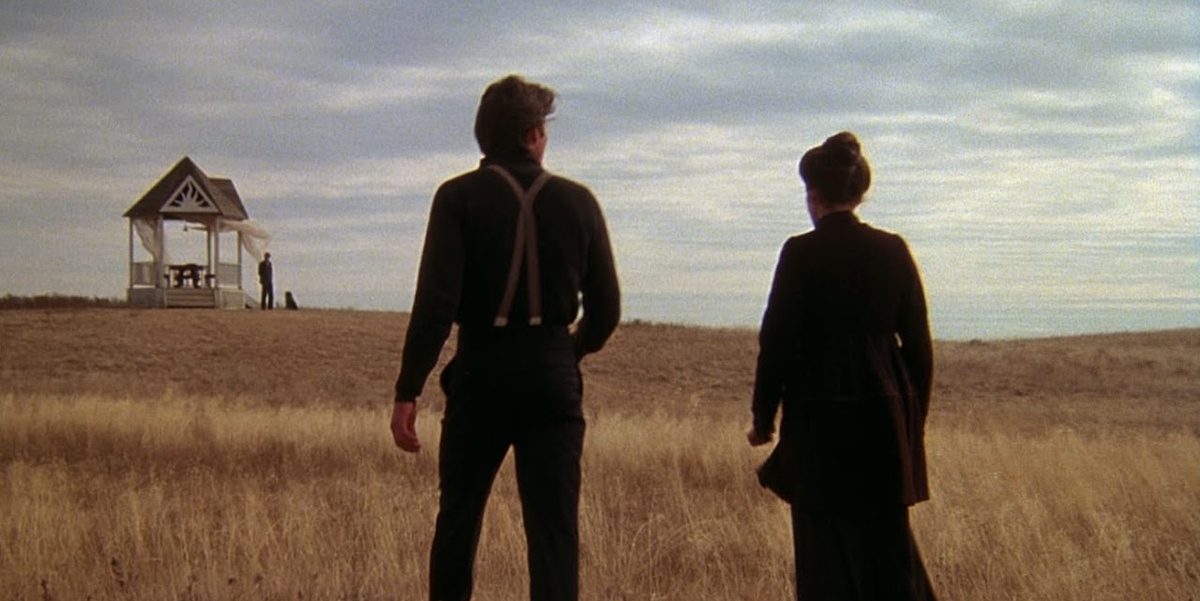
Terrence Malick Days of Heaven 1978
Days of Heaven is a quiet, slow-paced drama set in early-20th-century Texas. Terrence Malick lets the story unfold the way weather does—quietly, inevitably, without explanation.
The plot is simple: a love triangle shaped by poverty, deception, and fragile hope. Human lives appear small against the vastness of land, light and time. The landscape often dominates the frame, making the characters seem small and temporary by comparison. The characters rarely explain their feelings. Choices are made quietly, sometimes poorly and the consequences unfold without drama. The film ends not with resolution but with continuation. Life moves on. The fields will grow again. What remains is a quiet ache and a sense that beauty exists alongside harm...
Elisabeth's choice
18-2
Pier Paolo Pasolini THEOREM 1968
Theorem,Teorema, directed by Pier Paolo Pasolini is a rigorously constructed film that uses narrative reduction as a critical method. Rather than developing characters psychologically, Pasolini organizes the film as a conceptual experiment.
The premise is deliberately schematic: an upper-class Milanese family is visited by a mysterious stranger who forms an intimate relationship with each family member before leaving as abruptly as he arrived. The film does not explain the visitor’s identity or motivation and this refusal of explanation is central to its structure; Pasolini frames the family less as individuals than as social functions. Father, mother, son, daughter, servant- each defined by their position within bourgeois ideology. The visitor’s presence disrupts these roles, exposing their internal instability. The film’s style reinforces its theoretical aims. Dialogue is sparse and functional. Pasolini alternates narrative scenes with documentary-like interviews, creating distance rather than emotional identification. This approach aligns with his broader critique of consumer capitalism and its capacity to absorb even radical experiences into private pathology.Teorema resists interpretation as allegory with fixed meanings. While religious, sexual and political readings are clearly invited, Pasolini avoids synthesis. The film operates instead as a demonstration: when bourgeois order is confronted with an absolute other, it cannot transform, only collapse...
Andreas' choice
Do you want to receive our