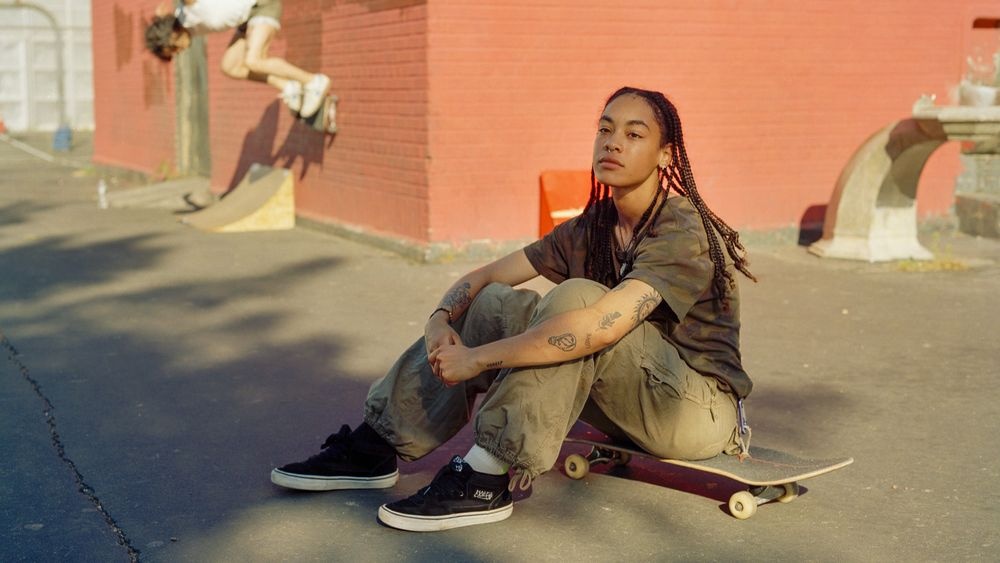
SK8GIRLS: Skateboarding as an act of resistance

Skateboard culture is known around the world as a symbol of freedom, creativity and courage, values that have also defined Melkweg for decades. Yet this culture is still shaped mostly by men. In many countries, few women and queer people skate, because traditional ideas about gender do not always give them the same space. By choosing to skate anyway, they fight for gender equality and for a world in which everyone can be visible and valued.
This exhibition presents work by Coco Olakunle, Desiré van den Berg, Lanna Apisukh, Lola & Pani, Joël Linda Manoppo, Chantal Pinzi and Juliet Klottrup, and highlights the energy and diversity of female and queer skate communities. Through powerful images, stories and artistic expressions, we show international communities who break barriers. Their skateboards are more than sports equipment: they are statements of identity, autonomy and solidarity. SK8GIRLS features skate communities from Ethiopia, India, Morocco, the Netherlands, the United Kingdom and the United States, showing how these groups fight for their place in the skate world as female and queer skaters.
Alongside contemporary perspectives, the exhibition also looks at the history of these skaters. Nathalie Porter describes how female and queer skaters have influenced the culture, and compares Dutch history with that of other countries. Featured skate role models Laura Engel, Candy Jacobs and Keet Oldenbeuving build a bridge between past and present. The current generation of skaters, the ones you see in skateparks today, also has a place in the exhibition: they used disposable cameras to document their own skate lives.
‘SK8GIRLS: Skateboarding as Act of Resistance’ shows how female and queer skaters are increasing their visibility within the skate world. The exhibition also illustrates how this culture is part of a broader movement for freedom, solidarity, and change that strives for a world without gender boundaries.
As an extension of the exhibition, we have created a zine in collaboration with The Dreamers Magazine that brings the DIY spirit of skate culture to life. During the opening of SK8GIRLS you are able to get your hands on the zine for a special price. Can’t make it to the opening? You can still purchase the zine throughout the full duration of the exhibition at Melkweg Expo.
Header image: Lanna Apisukh
Melkweg Expo will be closed on 27 April.