Facts and myths: Police and support services after domestic violence
What: Facts and myths: Police and support services after domestic violence
When: 11 April
Time: 15:00 – 17:00
For whom: this event is for women
Admission: is free, please sign up via this form. There is space for a maximum of 20 women.
This is an event for adult women, children are not welcome at this event.
Facts and myths: Police and support services after domestic violence
During this free empowerment event, we will discuss facts and myths about the police and support services after domestic violence. We will make space for honest stories, recognition, and awareness. Because real change starts with listening to the experiences of women themselves.
Many women seek help when home becomes unsafe. They call the police or contact organisations such as Veilig Thuis, hoping for protection. Still, many women experience that their story is not taken seriously right away, that doubt arises, or that the focus is mainly placed on “both sides of the story”, while domestic violence often has a long history of control and fear.
The systems do not always align well with reality either. Women have to repeat their story several times, gather evidence while they are still in an unsafe situation, and wait for support that is slow to start. Even after leaving the violent situation, the struggle often does not end: procedures, institutions, and practical matters continue to create stress and uncertainty.
Organised by Natifha Aarland
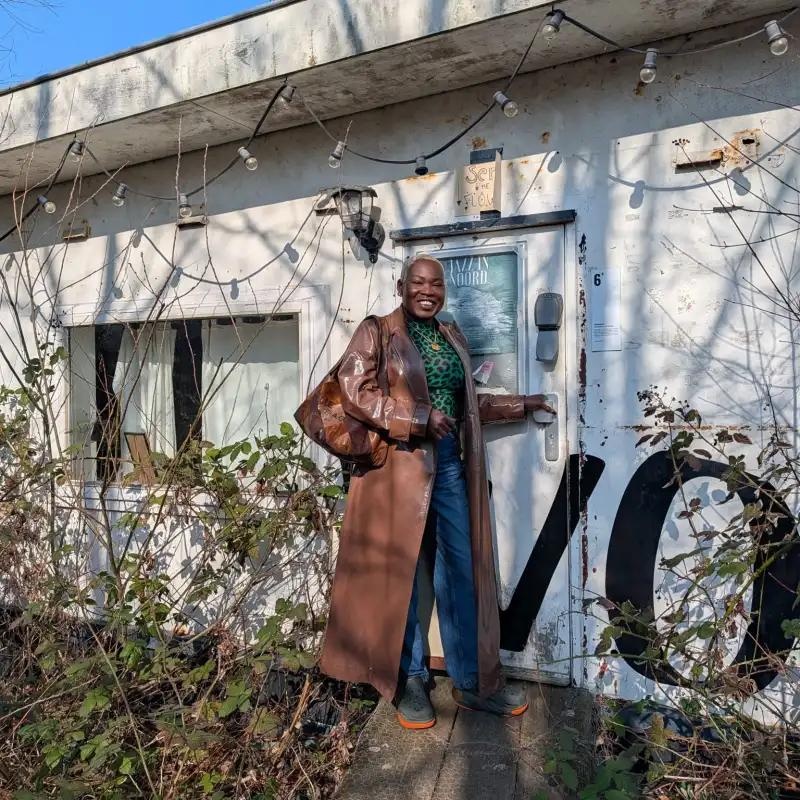
Natifha Aarland grew up in Suriname and moved to Mexico at the age of 23 with a scholarship. In 2007, she came to the Netherlands, where she built a career as a financial professional. Her life changed drastically after her divorce in 2024, when she and her two children ended up in a homeless shelter and had to deal with organisations such as Veilig Thuis and other support services.
Based on these experiences, Natifha is committed to better support for women and families after domestic violence. She advocates for faster and more careful action by institutions, better cooperation between the police and support services, and guidance that helps survivors rebuild safety and stability. Her strength lies in connecting lived experience with a solution oriented perspective on how systems can work better for people who need help.
This gathering is supported by De Ceuvel