Europe Without Orbán?
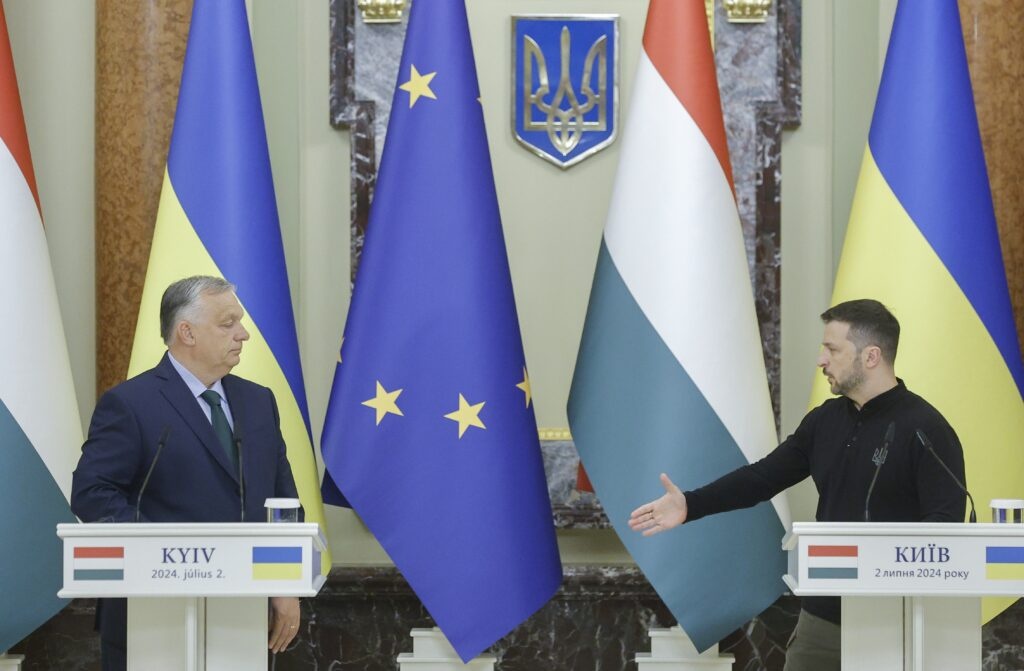
On 12 April, Hungary heads to the polls. For the first time in years, a change of government seems within reach. The election could mark a turning point in Hungary’s relationship with the European Union, where Prime Minister Viktor Orbán has long played the role of disruptor in common European policymaking.
Over the past decade, Orbán has become the symbol of Hungary’s break with the European consensus. In Brussels, his government has repeatedly used its veto power to delay or block decisions on migration, sanctions and financial support. Most recently, Budapest stalled an EU aid package for Ukraine and new sanctions against Russia, once again highlighting the fragility of European decision-making.
At the same time, these years of confrontation have exposed deeper structural weaknesses within the Union. Proposals for a European ‘core group’ or a multi-speed Europe are increasingly put forward as ways to overcome political deadlock. But are these the right solutions? And what lessons should the EU take from the past decade in order to become less vulnerable in the future?
In the run-up to the elections, we look ahead to what is at stake in Budapest, how likely political change really is, and what the outcome could mean for the future of Europe.