Blasphemy vs the State: Dissenting Women
At least 89 countries have laws against blasphemy. Blasphemy laws are a powerful instrument of state repression, not least directed at women. How does the relationship between religious dissent and state power function, and how can a form of resistance be found in blasphemy?
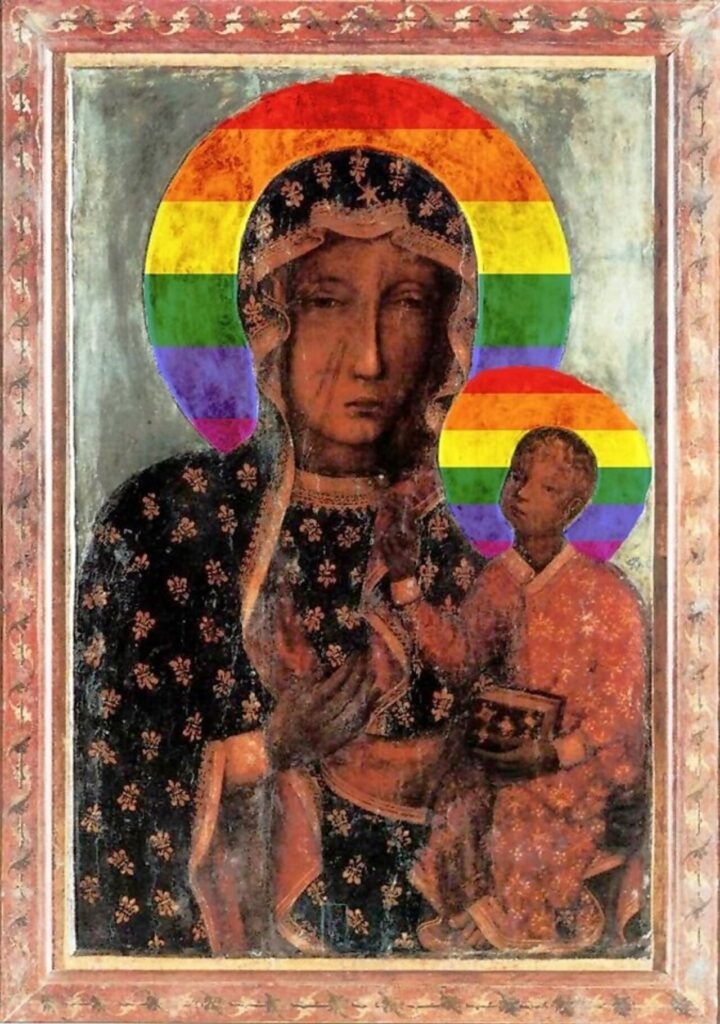
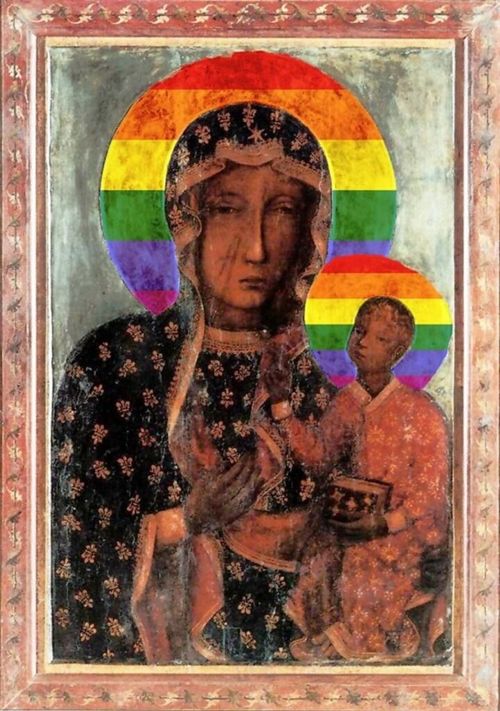
Ibtissame Lachgar is serving a prison sentence in Morocco because she wore a T-shirt in London bearing the slogan ‘Allah is a Lesbian.’ The Nigerian singer Yahaya Sharif-Aminu faces the death penalty for expressing criticism of religion in song lyrics. In Poland, three LGBTI activists were prosecuted for distributing posters depicting Mary with a rainbow-colored halo.
To varying degrees, governments use blasphemy legislation to oppress their citizens. Together with humanitarian activists who have risked their lives in rejecting state-enforced oppression, we will discuss how this relationship takes shape in practice. And we’ll explore how, from a feminist perspective, blasphemy can be a form of resistance.
Prior to this program, the Freedom Lecture will be delivered by Siham Lachgar on behalf of her sister Betty Lachgar, who is currently detained in Morocco. There is a discounted combination ticket available for both programmes